
April 8, 2025
Drugs and Alcohol: A Christian’s Approach
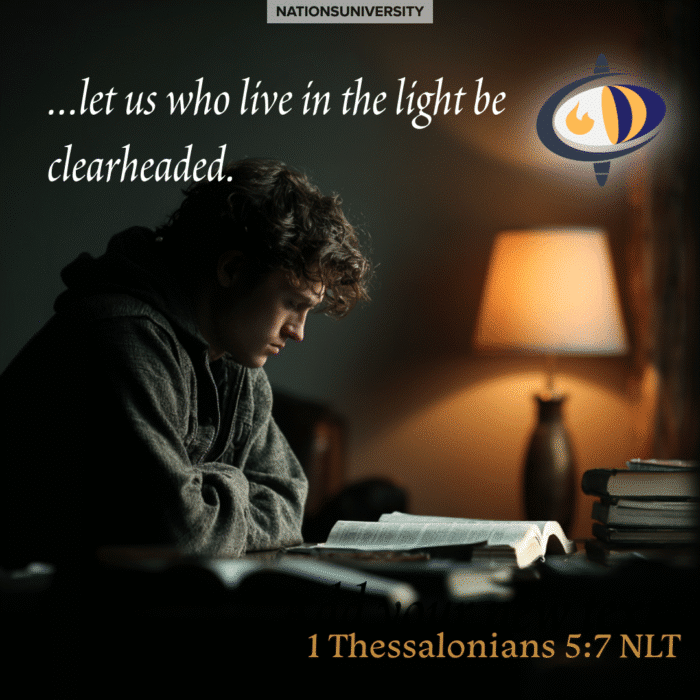
Christians should approach cautiously the recreational use of stimulants and drugs, whether they are over-the-counter but used in an illicit manner or illegal street drugs. We are not saved by abstaining from smoking or drinking, so be careful not to say someone is not a Christian because they use any form of tobacco or alcohol. We are saved by trusting in Jesus and being obedient to His gospel. However, there are dangers in drinking, chewing, and smoking.
Ultimately, while the Bible does not explicitly mention recreational drug use, it provides principles that can be applied to evaluate whether such behavior aligns with a Christian’s commitment to self-control, stewardship of the body, and sober-mindedness. It’s essential for individuals to prayerfully consider these principles and seek wise counsel when making decisions about recreational drug use.
The Principle of Self-Control
One of the key principles found in the Bible is the idea of self-control and avoiding behaviors that can lead to impaired judgment or harm to oneself or others. In Galatians 5:22-23, the Apostle Paul speaks of the fruit of the Spirit, which includes self-control. Using recreational drugs, especially in excess, can often lead to a lack of self-control and potentially harmful consequences.
Additionally, the Bible teaches the importance of caring for one’s body as it is considered a temple of the Holy Spirit (1 Corinthians 6:19-20). Using recreational drugs, particularly those that can have negative effects on physical and mental health, may be seen as disregarding this principle.
Likewise, it is essential for Christians to strive to live lives that are above reproach and in accordance with the laws of the land. Romans 13:1-2 teaches that believers should submit to governing authorities, as they are established by God. Using illicit drugs is typically against the law in many places, and as such, Christians are encouraged to obey these laws. Breaking the law by using illicit drugs not only goes against the biblical principle of submitting to authorities, but it can also undermine a believer’s testimony and credibility in the eyes of society. Christians are called to be ambassadors of Christ, demonstrating His love, wisdom, and righteousness in all aspects of their lives, including their behavior with regards to substances.
The Call to Sobriety
Furthermore, the Bible encourages believers to be sober-minded and vigilant (1 Peter 5:8). Using recreational drugs, especially those that alter one’s state of mind, can potentially hinder one’s ability to think clearly and make sound decisions. In Deuteronomy 14:26, the Israelites are instructed to use the money they receive from their tithes to purchase various items, including “strong drink” (Hebrew: שֵׁכָר, sheker). The verse encourages them to spend this money on whatever they desire – oxen, sheep, wine, or strong drink – and to eat and rejoice before the Lord. This suggests that “strong drink” was a permissible and even encouraged part of their celebrations and feasts.
Another clear principle is sobriety. Peter writes, “Be sober-minded; be watchful” (1 Peter 5:8). Anything that fogs the mind makes us vulnerable. The devil doesn’t wait for us to be strong and alert—he takes advantage when we are weak or distracted. But here’s an important balance. The Bible does not outlaw alcohol altogether. In Deuteronomy 14:26, Israel was even told to buy wine or “strong drink” with their tithe money, and to rejoice before the Lord. Celebration had its place. The difference was purpose and moderation—drinking to enjoy God’s blessings, not to escape reality or lose control.
Living in Freedom
There are times when drugs are a necessary part of a physician’s treatment. Jesus acknowledged the need for the sick to have a physician. In 1 Timothy 5:23, Paul also advised Timothy to use a little wine for his stomach’s sake and his frequent infirmities. This illustrates the biblical acknowledgment of seeking medical help for physical ailments. A medical professional can offer valuable insights and prescribe appropriate treatments that can help avoid leading to addiction. It is OK to suffer pain if you are concerned about the addictive properties of some medications. Seeking professional help is crucial if you or someone you know is struggling with addiction.
The Bible encourages believers to support one another (Galatians 6:2). Qualified professionals, including counselors and medical experts, can offer the necessary expertise and resources for effective treatment. Many churches and faith-based organizations also provide supportive programs. It takes strength and wisdom to seek help, and through professional guidance, prayer, and community support, individuals can find the strength to overcome addiction and honor God in their lives.
Christians are not called to legalism, nor to reckless indulgence. We are called to live in the freedom of Christ—freedom that chooses what builds up rather than what tears down.
Author: Jon-Roy Sloan is the Chief Communications Officer for NationsUniversity and the author of Anastasia Smiles: Love Needs No Translation. Disclaimer statement: Please note that the opinions expressed herein are those of the author alone and are based on his personal understanding of scripture and how God works in our lives and do not necessarily reflect the views of NationsUniversity®.
Article 18, Family Policy Series – 208 Drugs and Alcohol
| Previous Articles | |||||
|---|---|---|---|---|---|
| Article 1 | Article 2 | Article 3 | Article 4 | Article 5 | Article 6 |
| Article 7 | Article 8 | Article 9 | Article 10 | Article 11 | Article 12 |
| Article 13 | Article 14 | Article 15 | Article 16 | Article 17 |