
June 11, 2025
Personal Fitness
Some of you reading this are so busy that you cannot imagine how you would squeeze a personal fitness plan into your busy timetable. This doesn’t have to be difficult, and it can be as easy as going for daily walks.
Spiritual fitness is always the priority, but we should not neglect our personal physical fitness. Fast food has made eating convenient and easier than home-cooked food. However, embracing a health and wellness lifestyle can be a transformative endeavor for a family. Also, improving personal fitness fosters physical and mental well-being and doing it together while strengthening the bonds of family.
The primary objective of the family policy on personal fitness is to promote and maintain a healthy and active lifestyle for the whole family. We understand that personal fitness is not just about physical appearance but a holistic approach to well-being that encompasses mental, emotional, and spiritual health. By committing to this policy, the family aims to improve the quality of life and create a foundation for long-term vitality.
Foundations of the Policy:
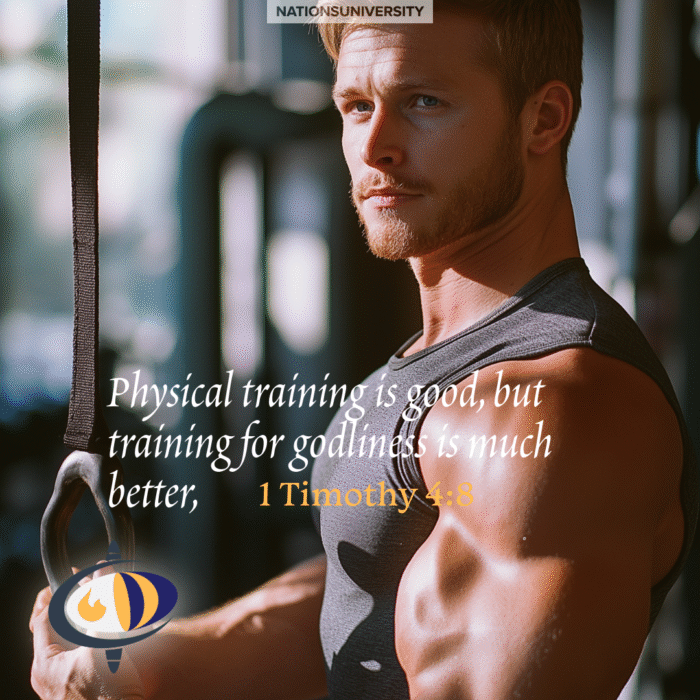
Regular Exercise: Exercising three to five times a week aligns with the wisdom found in 1 Timothy 4:8, emphasizing that physical training holds value in both our present lives and the life to come. Whether it’s a brisk walk, a bike ride, or a family soccer match, these activities boost our physical health and release endorphins that enhance our overall mood and well-being. Children learn about competition and teamwork by participating in team sports.
Balanced Nutrition: A balanced and nutritious diet, drawing inspiration from 1 Corinthians 6:19-20, reminds us that our bodies are temples of the Holy Spirit. By prioritizing whole foods, fruits, vegetables, lean proteins, and whole grains, we honor God’s gift of health. This conscious choice to nourish ourselves with wholesome food allows us to serve others more effectively. Food allergies can pose a problem, and a food allergy test is essential for maintaining good health while avoiding allergic reactions.
Screen Time Management: Psalm 101:3 advises against embracing anything vile or faithless. This includes managing screen time and what we put into our minds by what we watch. By setting limits on digital consumption, we free up time for physical activities and meaningful interactions. Meal times and screen times should be separate events. Zero tolerance for phones at the dinner table is a good practice.
Supportive Environment: In Galatians 6:2, we are reminded to bear one another’s burdens. In families, this principle translates into creating a supportive environment for each member’s fitness plan. More importantly, it reinforces the idea that we are in this together, cheering each other on to reach our fitness goals.
Family Fitness Activities: Ecclesiastes 4:9-10 speaks to the strength found in unity. We build enduring memories and relationships by engaging in family-oriented fitness activities like hikes, bike rides, or group sports. These shared experiences promote physical health and cultivate strong bonds that extend beyond the activity itself.
The Right Path
Parents/guardians play a crucial role in the fitness endeavor. Proverbs 22:6 emphasizes the importance of guiding children onto the right path. Parents instill lifelong habits of personal fitness in their children by being active role models and providing guidance. Children, too, are responsible for taking ownership of their health, as advised in Ephesians 6:1. They must actively engage in family fitness activities and openly communicate their goals and challenges.
In our family, we knew that making good grades, being active in sports, and participating in social clubs like Math Club or Boy Scouts can make a demanding schedule that can be stressful for parents and children. Life can be stressful, and learning to deal with this at an early age has long-term benefits. However, due to the demands of extracurricular activities, we did not expect perfect grades. This is an example of a balanced approach. I believe we should not expect perfection from our children any more than we can achieve perfection in our own lives, and we should extend grace to our children, and this imitates Christ.
Ultimately, the fitness policy calls for a collective family effort. Hebrews 10:24-25 highlights the significance of encouraging one another toward love and good deeds. As a family, we commit to motivating and uplifting each other, fostering an atmosphere of growth and support.
Being intentional about personal fitness is not just a commitment to physical health but a declaration of dedication to the well-being of each family member. With scripture as our guide, we embark on a journey towards health, unity, and lasting vitality. By being intentional about personal fitness, we invest in a brighter, healthier future for our family. Our children can carry this forward in their lives and their families.
Author: Jon-Roy Sloan is the Chief Communications Officer for NationsUniversity and the author of Anastasia Smiles: Love Needs No Translation. Disclaimer statement: Please note that the opinions expressed herein are those of the author alone and are based on his personal understanding of scripture and how God works in our lives and do not necessarily reflect the views of NationsUniversity®.
Article 18, Family Policy Series – 210 Personal Fitness