
April 17, 2026
How to Help Your Child Build Healthy Friendships
How to Help Your Child Build Healthy Friendships (A Parent’s Guide)
Helping your child develop healthy friendships is one of the most important parts of raising a confident, well-adjusted young person.
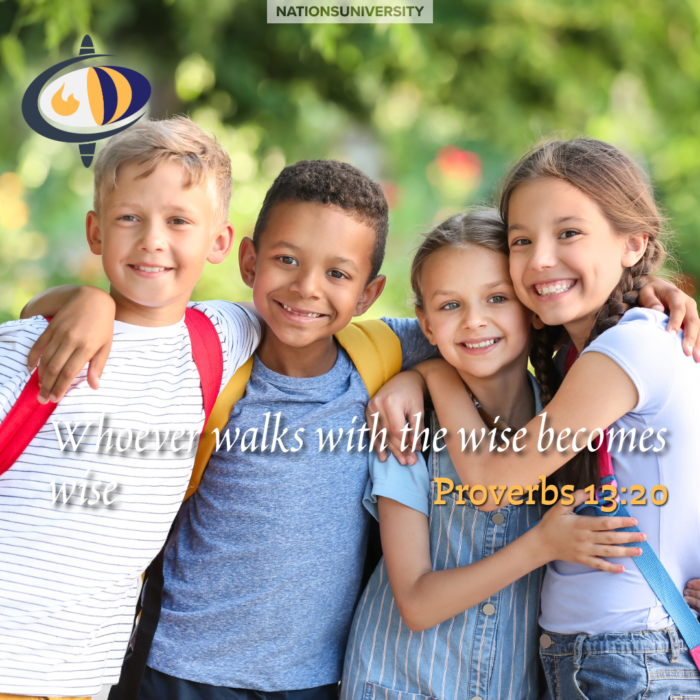
“Whoever walks with the wise becomes wise, but the companion of fools will suffer harm.” (Proverbs 13:20)
If you are rearing a well-disciplined and likable child, making friends is often not difficult. Yet many parents wonder: how many childhood friendships truly last? Think back—how many friends do you still have from kindergarten, grade school, or high school? Friendships are often like flowers; they blossom for a season, and only a few endure over a lifetime.
Why Childhood Friendships Matter
As children grow, their friendships become more meaningful and influential. Research and experience alike show that children who form early friendships often behave better in school and develop stronger social skills.
During grade school years, children will inevitably face disagreements with peers. These moments are not setbacks—they are opportunities. When your child brings conflict home, you have a chance to guide them, teach proper behavior, and model healthy conflict resolution.
Teaching Conflict Resolution Skills at Home
Parents should not panic when their children experience friendship conflicts. Learning how to resolve disagreements is a critical life skill that will serve them well into adulthood.
Scripture provides a framework for navigating disagreements:
“If it is possible, as far as it depends on you, live at peace with everyone.” (Romans 12:18)
“A gentle answer turns away wrath, but a harsh word stirs up anger.” (Proverbs 15:1)
Rather than dismissing these conflicts or overreacting, pay attention to patterns. Listen carefully to your child’s perspective. Offer practical solutions. Explain why communication, respect, and boundaries matter.
At the same time, avoid teaching your child to simply “go along to get along.” The goal is not passive compliance. The goal is to raise a child who can stand their ground, communicate clearly, and avoid becoming a doormat.
Guiding Your Children to Wise Friendships
Parents play a critical role in helping children form wise and healthy friendships.
“The righteous choose their friends carefully.” (Proverbs 12:26)
One of the simplest ways to guide your child toward healthy friendships is through intentional involvement.
Encourage participation in activities outside of school, such as sports, church, clubs, or community groups, where you can meet other parents. Building relationships with families allows you to better understand the environment your child is stepping into.
This becomes increasingly important as children grow older and gain independence. Get to know other parents. Build connections. Influence the environment rather than reacting to it.
Navigating Negative Peer Influence
As children mature, they may begin forming friendships that concern you. At this stage, direct prohibition often backfires. Telling your child they cannot associate with someone may only strengthen the appeal of that relationship.
“Start children off on the way they should go, and even when they are old they will not turn from it.” (Proverbs 22:6)
Instead, guide instead of control:
- Keep your child engaged in structured, positive activities
- Ask thoughtful, probing questions about the friendship
- Encourage self-reflection rather than issuing ultimatums
Avoid speaking negatively about other children. Instead, guide your child to evaluate behavior, character, and consequences on their own.
Setting Boundaries with Discernment and Care
Parenting in this area is more art than science. Establishing healthy boundaries requires awareness, involvement, and creativity.
“Above all else, guard your heart, for everything you do flows from it.” (Proverbs 4:23)
It cannot be stressed more: get to know other parents. Exchange contact information. Stay informed. When children are together, maintain appropriate supervision—especially in younger years.
Stay connected with teachers and other parents. Often, others will notice patterns or situations before you do. There may be times when you need to step back and observe carefully, allowing situations to reveal themselves.
Children can be surprisingly resourceful—and occasionally sneaky—so stay engaged.
Recognizing Healthy vs. Unhealthy Friendships
Not all friendships are beneficial. As your child grows, help them recognize the difference between healthy and unhealthy relationships.
“Walk with the wise and become wise.” (Proverbs 13:20)
Warning signs of an unhealthy friendship may include:
- Verbal, emotional, or physical mistreatment
- Feeling anxious, awkward, or reluctant to interact
- Avoiding communication or contact
In some cases, distancing from a relationship is necessary. Teaching your child this truth and how to apply it is part of preparing them for life.
Do Childhood Friendships Last?
Many childhood friendships fade over time due to changing interests, personal growth, or relocation. This is normal and often healthy.
“There is a time for everything, and a season for every activity under the heavens.” (Ecclesiastes 3:1)
However, the skills your child develops through these relationships, skills like communication, empathy, conflict resolution, and discernment, will last a lifetime.
Whether friendships endure or end, the goal remains the same: to equip your child to build strong, healthy relationships at every stage of life.
Final Thoughts for Parents
Raising children who can form meaningful, healthy friendships requires intentional guidance, steady involvement, and a willingness to teach through real-life moments.
“As iron sharpens iron, so one person sharpens another.” (Proverbs 27:17)
You are not just helping your child make friends. You are helping shape the kind of person they will become—and the kind of relationships they will carry into adulthood.
Author: Jon-Roy Sloan is the Chief Communications Officer for NationsUniversity and the author of Anastasia Smiles: Love Needs No Translation. Disclaimer statement: Please note that the opinions expressed herein are those of the author alone and are based on his personal understanding of scripture and how God works in our lives and do not necessarily reflect the views of NationsUniversity®.
Article 22, Family Policy Series – 304 Children’s Friends